

MORE-BILITY
Thank you for sending this over. I read the deck twice, and the second time I was already cutting it in my head. That is usually a good sign.
I grew up in a Škoda. Most people in the Czech Republic did. I don't want to make a big thing of it. I just want you to know I know this brand from the passenger seat, not only from the brief.
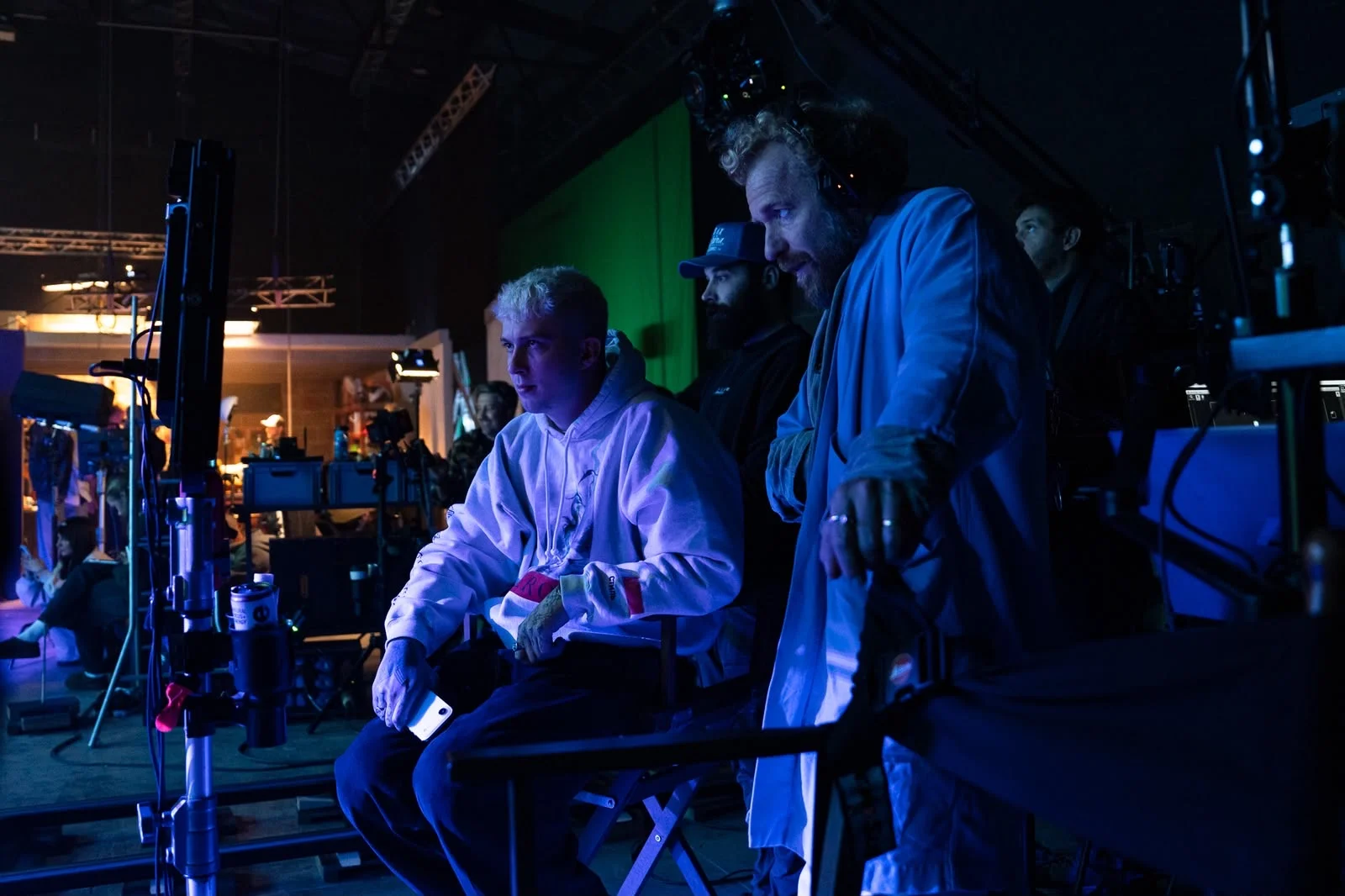
Earlier this year I directed a film for Škoda Czech Republic that is close to this one: real people, short moments, one car per story. We shot all of it in a studio, in front of LED screens, and nobody who watched the film could tell. I'd like to use the same method here, for reasons I explain further down, and you can judge the result yourself.
What you'll find below: how I see each of the five moments, how the split screen can build the whole film instead of only closing it, and how we shoot five Germanys in November without leaving the stage.
The concept is strong. My job is to make every one of the thirty seconds count.
Looking forward to talking it through.
Nothing is a big deal.
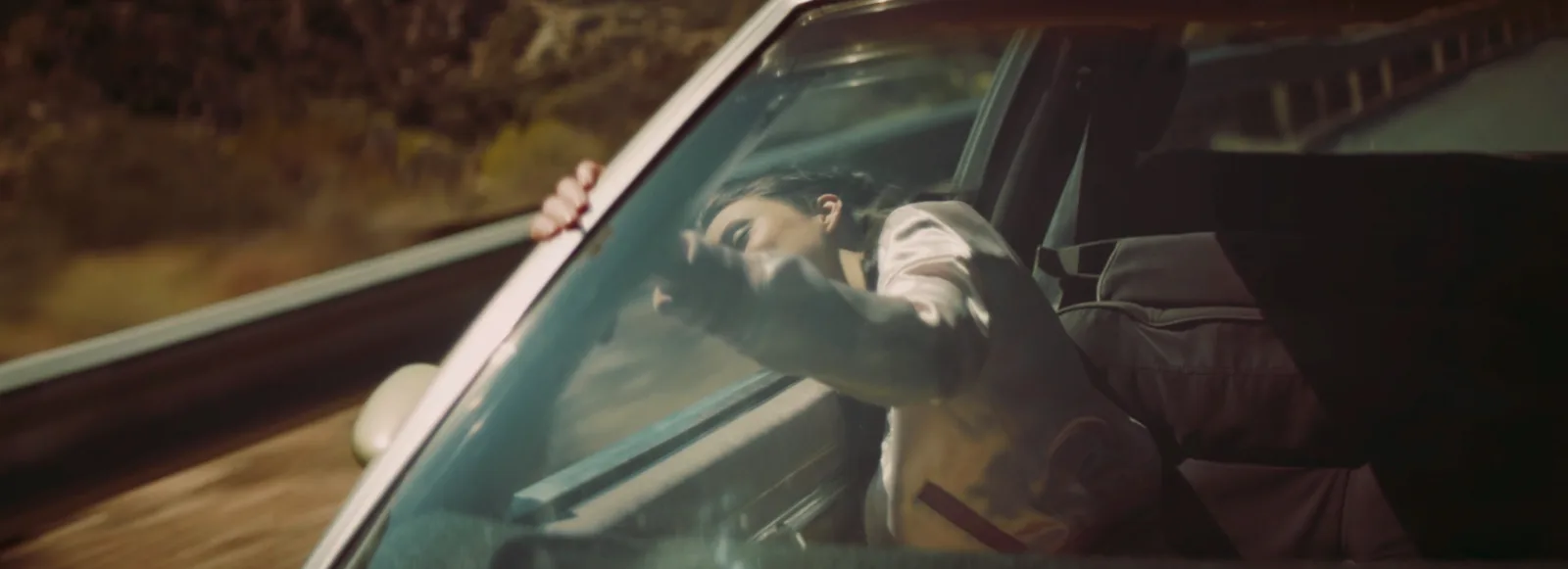
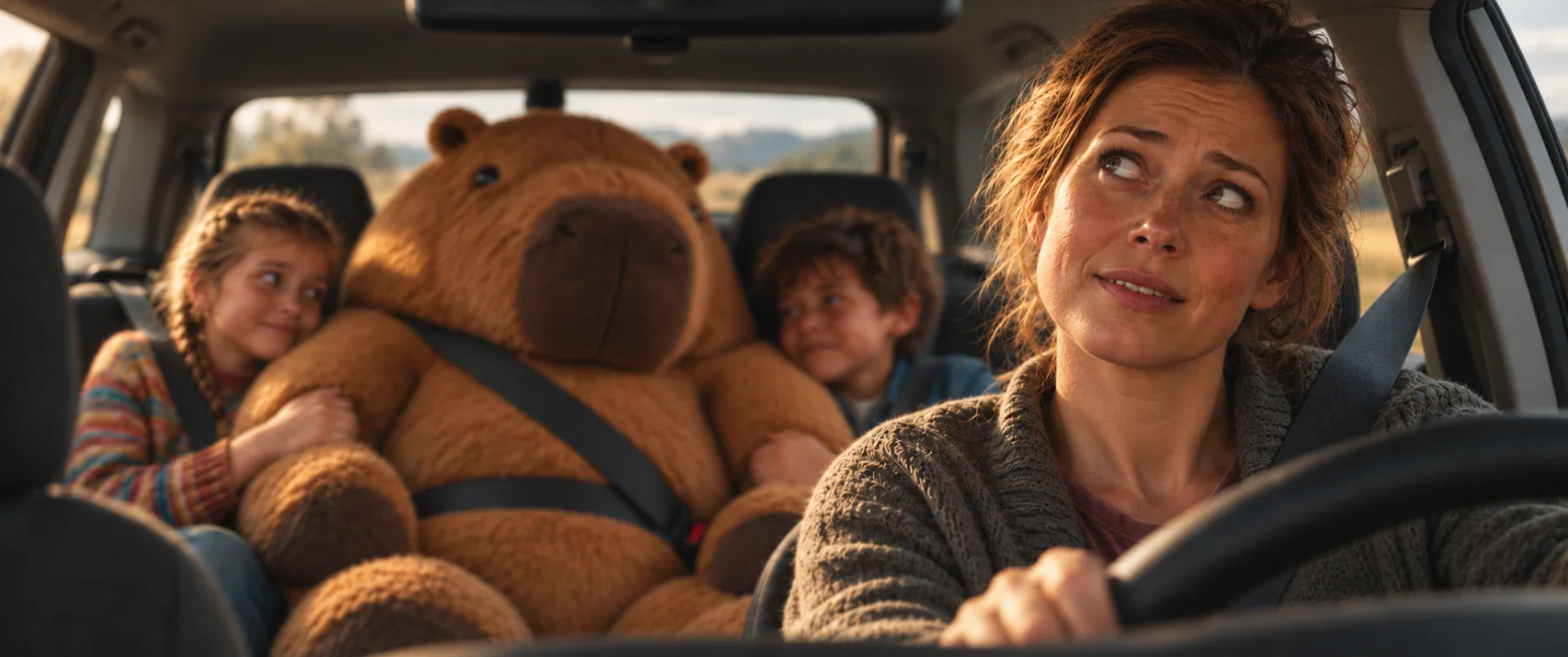
The line I keep coming back to in the deck is not MORE-BILITY. It's the small words at the end of each scene. Exactly. Naturally. Sure. Obviously. Absolutely. And the best offers? Of course. That is the voice of this film: nothing is a big deal. Not the first holiday without the kids. Not a giant plush capybara in the back seat. Not a wet dog in a new car.
So the film behaves the same way. The camera doesn't push the joke. The people don't play to the lens. The edit doesn't wait for applause. Every moment lands, and we move on, because that is what a confident brand does.
This is also how we avoid the car film everybody has already seen: five happy drives and a lineup. The difference is not in the mood. It's in the detail. Each vignette gets one concrete gesture that could only happen to these people, in this car. If a frame could belong to any car brand, it goes.
Feels like a Tuesday. Looks like a film.
Before the detail, the feeling. If you watched this film with the sound off and the words out of focus, this is what should stay with you.
It feels like a good day in a car. Not a special day. A Tuesday. The window is down a little, the light is low, somebody is eating something they shouldn't. Nobody is going anywhere important, and everybody is exactly where they want to be.
It feels warm. Warm light, warm skin, warm seats. Even the city at night is warm, because the light inside the car is.
It feels calm. The camera isn't hunting for emotion. The music isn't telling you what to feel. People aren't smiling at each other because the script says so. When something is funny, it's funny the way real life is funny: a capybara with a seat belt, a thumb war in a traffic jam, a wet dog that doesn't care.
It feels sure of itself. The brief calls it deliberately cool, and the best way to show that is to never try. The film doesn't raise its voice. It says five short words and lets the pictures do the rest.
And it feels like cinema, not like advertising. Real faces, real light, grain in the shadows, frames that would work as photographs. The kind of film you stop for because it doesn't look like it wants anything from you.
That's the mood. Everything that follows is how we get there.
Five lives.
Four seconds each.
Thirty seconds, the honest version. Five vignettes get four seconds each, the first one five because it carries the hook. The split screen gets four. The offer gets five, and five has to be enough, so the typography does the work.
What this means in practice: no vignette has a setup and a payoff. Each one is a single gesture that is already happening when we cut in. We arrive late and leave early, every time.
That is also why the film can run shorter without breaking. A 20 second cut is the same film with the big words only. The structure stays, the vignettes get tighter.
One gesture each.
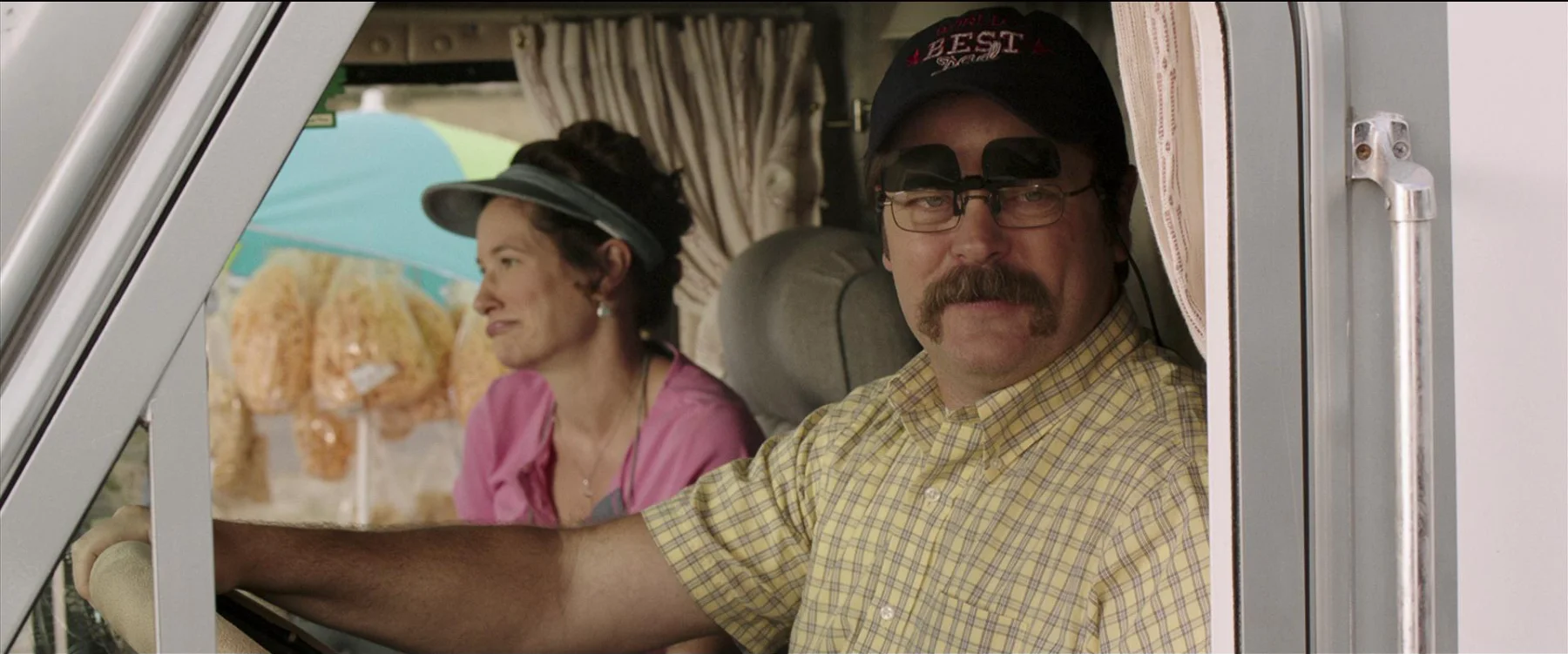
Four seconds is not a story. It's a gesture. Here is the one I'd shoot for each vignette: who is in the car, what we see, what we add to the agency's picture, and where the camera sits. Where I have a second idea, it sits under the first, because the right pick is a conversation.
{{ m.hook1 }}
{{ m.hook2 }}
{{ m.hook3 }}
The frame fills up.
The deck uses the split screen to close the film. I'd like to use it to build the film. The idea is "more", so the picture should get more as it goes.
More benefits.
More options.
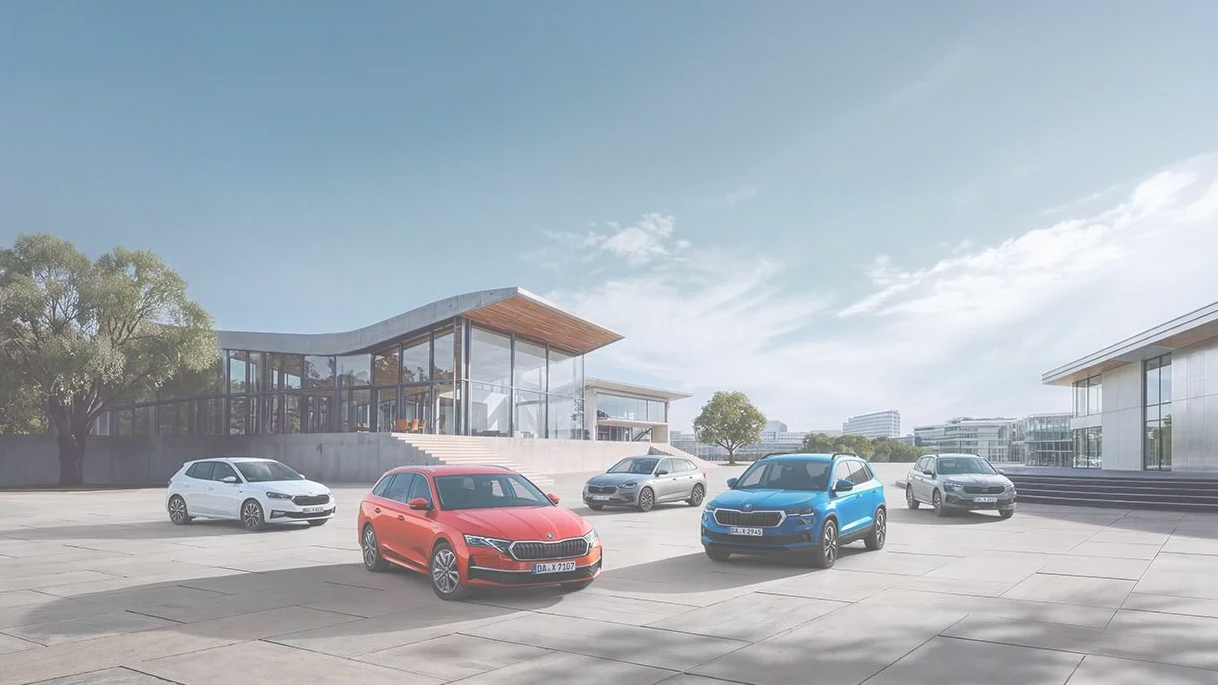
How it works: vignette one plays full frame. When vignette two begins, it doesn't replace the first. It joins it. The frame splits, the first life keeps driving in a narrower strip, and the new one takes the bigger window. Vignette three joins. Then four. Then five. By 0:21 we have five vertical strips, five lives, and all of them are still going.
Then comes the one shot where all five strips do the same thing at the same time. The same camera move, the same beat of the music, five cars taking the same curve in five different parts of Germany. Super: And the best offers? Of course.
And then the strips stay. The five lives keep driving, side by side, to the very end, and the offer lands over them. That's our lineup: not five parked cars, but five lives still going. (The deck closes on a range shot. We can shoot that too, it's the same material. But I think the split screen is the stronger last frame, and I explain why under The Ending.)
- The new life always gets the big window. The older ones keep breathing in their strips, but they never pull focus.
- The strips are vertical. Each one is the heart of its own 9:16 cut, so the social formats are built into the film, not cut out of it afterwards.
- The words live in the strips. At 0:21, five words under five strips, and the sixth, Of course, answers the offer. Typography and split screen are one system.
- One detail nobody has to see: every dashboard clock in all five cars shows the same time. Five lives, one second.
Why it's feasible: all five cars will be on the same stage, in front of the same LED wall, with the same rig. A repeatable camera move on five cars is a routine in a studio, and a prayer on five roads. This is the one place where the LED stage doesn't just save money. It makes the idea possible.
The offer drives in.
The last five seconds belong to the offer, and I don't want to fight that. I want to design it. Most car films stop being films the moment the price comes up: cut to a studio lineup, cut to the super, the music fades. We don't stop.
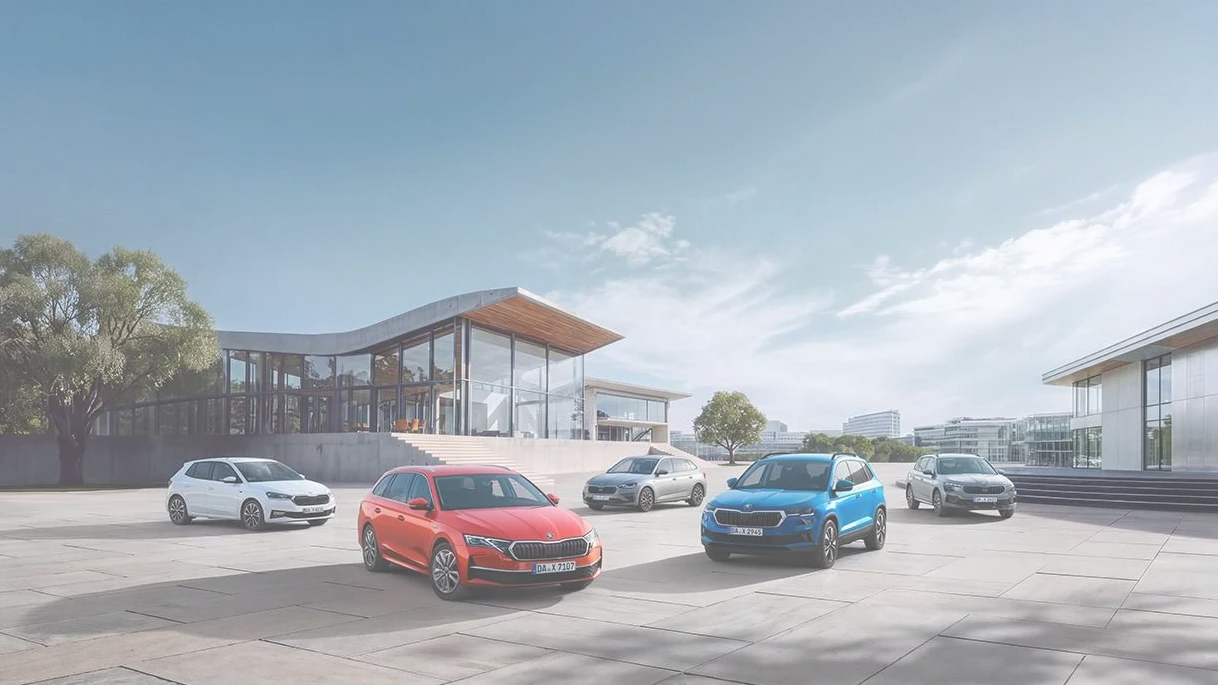
The deck ends on a range shot. I'd like to propose that the split screen stays instead. Five strips, five lives, still driving, and the offer lands on top of them: Solid special editions, Octavia 30 Years, up to 3,200 euros. The music keeps its tempo. The typography is the same system as the five words. The last word on screen is the sixth one: Of course.
Why: the split screen is the idea. Five people, five cars, one second. Ending on it means the last thing people see is the thing they will remember, with the offer attached to it. A parked lineup is a different film for five seconds. And every car is still fully visible in its own strip, so the client loses nothing.
The last frame: five strips, the Škoda logo, and one word. Of course.
More benefits.
More options.
Real Germans.
One job each.
"Deliberately cool" is a casting problem before it is a directing problem. The brief wants people who look relaxed and sure of themselves. That can't be acted in four seconds. It has to be who they are.
So: casting in Germany, with a German casting director. We look for faces, not models. Actors or not, I don't mind, as long as they can do one thing without performing it. Nobody has to say a line, so nobody has to act. They just have to be.
The method on set is the same for everyone: give them something real to do, roll long, and keep the take where they forgot the camera.
The camera is a passenger. A nosy one.
Our camera sits where a person would sit. Eye level, inside the car, close to the people. And it's curious. It looks where you would look: at the sign on the rear window, at the capybara's seat belt, at the thumb war, at the volume knob, at the dog. We are inside the five lives, not outside them. The cars are around us, not in front of us.
That is a choice, and here is why. You feel a car before you see it: the steering wheel, the dashboard, the Modern Solid details, the seat fabric, the light through the sunroof. The car is never presented. It is simply there, the way it is for the people inside it, and that is what makes it feel like theirs.
And this matters most: a passenger camera is not a static camera. The camera in this film has the attention span of the audience. It watches the sign fall, then swings round the Kamiq and in through the side window to catch the grin. It pushes through the Octavia, boot to windscreen, past a capybara wearing a seat belt. It gets loose in the Scala because the whole car does, then snaps forward with the hand that reaches the volume first. It racks focus from a wet nose to a dad who doesn't care. Handheld when life is messy, smooth when a move has to be clean. The one time it stops is the Fabia, and that is a joke too: when they switch off, so does the camera.
No shot is a coverage shot. Each vignette is one camera idea, designed for that gesture, and nothing else is shot. That is how every moment stays fresh: there is no safe wide to cut to.
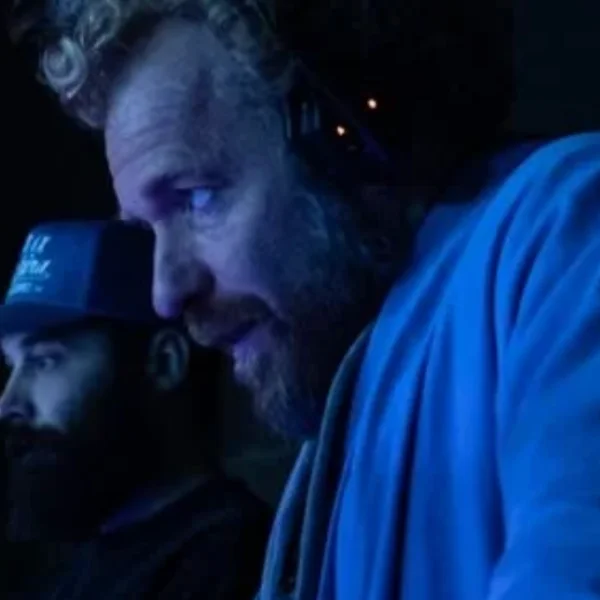
DOP: Jan PrahlJan has shot a lot of cars and a lot of people, and the point of this film is that it is both at the same time. He knows how to light a studio interior so that it reads as a Tuesday afternoon on a German road, and he's fast, which matters when five cars share one stage in one day. I'm very happy to have him on this one.
Warm, real, a little imperfect.
The film should look like it was shot, not rendered. Warm skin, real texture, light that behaves like light, a little grain in the shadows.
PaletteDriven by the five worlds, not by a grade. Alpine blue and white. Field green and a flat summer sky. City concrete and hard low sun. Night neon. Lake grey, rain on the glass. The Škoda green lives in the typography, not in the colour grade.
ContrastDeep blacks inside the cars, bright windows. The outside always feels brighter than the inside, because that is how a car feels from the passenger seat.
TextureWe keep fingerprints on the screens, dog hair on the boot liner, a chip in the nail polish. Real cars are used. New cars in ads never look used, and that is one reason nobody believes them.
What we avoidThe car ad glow. No haze in the interiors, no diffusion on the lens, no colour wash over everything. The cars are beautiful on their own. The job is to light them the way a photographer would, not the way a dealership would.
Five cars. One stage. Every Germany.
We shoot the whole film on an LED stage. Not because it's cheaper, although it is. Because for this film it's better. The honest reasons:
- {{ r.n }} {{ r.title }} {{ r.text }}
{{ revealCaption }}
On the dayThe car sits on a turntable or a shaker rig in front of a curved LED wall, with ceiling and side panels for reflections. The plates play in sync with the rig, so a curve in the plate is a lean in the car. Jan lights to the plate, not against it. The cars' own headlights, dashboards and ambient lighting are practical and real.
I did exactly this for Škoda Czech Republic earlier this year. We know where the method is strong (interiors, glass, dusk, weather, animals) and where it needs care (wide exteriors, fast pans across the wall). This film is built around its strengths.
Car craftEvery car is lit as the hero of its own vignette. The model is readable in the first frame of each: the grille in a reflection, the badge on the wheel, the dashboard, the Solid edition and 30 Years details the client cares about. The official press cars are on stage with Škoda product support present, so every angle is signed off before we roll.
The range shotIf the film does end on a five-wide lineup, it's composed from five separate passes with the identical repeated move, each car lit on its own, placed onto one road. It's the same move the split screen already needs. One setup, two possible endings.
Five Germanys.
The film has to look local, and local means specific. Not "a road", but a road you have driven. All five worlds are plates, sourced from stock libraries and matched for German roads, autumn light and the exact seat position, well before the shoot day.
The plates come from stock libraries, and finding the right plate is the most important part of this whole process. It is a real pain: the right road, the right season, the right height of the horizon, shot from the right seat. I have done it a few times now, and it has always worked out in the end. We start the search the day we are awarded.
We look for plates that carry the small local things: a German number plate ahead, a Kreisverkehr sign, an Autobahn exit board. Nobody reads them. Everybody feels them.
The soundtrack is the radio.
With no voice over, the music is the voice of this film. So it can't be wallpaper. One track, composed for this film, that behaves like the radio in the cars.
The idea: the track plays across all five lives as if they were all listening to the same station. In the Fabia she turns it off, and it stops. In the Scala the back seat turns it up, and the mix jumps. Everywhere else it just drives. And the five words, Exactly, Naturally, Sure, Obviously, Absolutely, land on five downbeats. The sixth, Of course, lands on the offer. The music has five full stops written into it, and the typography hits them.
A library track can't stop when she turns the radio off, or jump when the back seat turns it up. So the music is written to picture, for these five cars and these five words. The composer is Lukas Mutnansky, who has written for Škoda before, and for Coca-Cola, Footshop and T-Mobile.
FeelFeel-good without being cute. Something with a bit of swagger that a 55-year-old and a 22-year-old would both leave on. A modern take on a road trip track: more groove than melody, built to loop under the split screen without getting tiring.
Sound designThe percussion of this film is the cars: the seat belt click, the indicator, the door, the dog's shake, the volume dial. Every one of these sounds is built from scratch for the film, precise enough to make a seat belt click feel like a punchline. In a film with no dialogue, these sounds carry half the comedy.
SilenceThe two seconds in the Fabia are the most important sound in the film. Not dead air: the engine at idle, the road under the tyres, the city muffled by glass, an indicator ticking. We protect them in the mix, and the music is written with that hole in it.
DialogueNone. The people may talk, but we don't hear them. The film is readable with the sound off, and it should be, because that's where half of it will be watched.
One film, every frame.
The 30 second film is the hero, and the only version this treatment goes into in detail. But the structure is built to come apart cleanly.
- Product cutsFive product cuts. Each vignette is already a 6 or 10 second spot with its own car, its own gesture and its own word. We shoot each one so it works without the other four.
- 9:169:16. The vertical strips of the split screen are the social cuts. Every vignette is framed to work tall, because it has to work as a strip anyway.
- 20 and 1520 and 15 seconds. The same film with the big words only. The structure stays, the vignettes get shorter.
Five reasons, in short.
Thank you for reading. The concept already works. I'd like to make it specific, because specific is what people remember. If anything in here is worth a conversation, I'd love to have it.